
Starting a school is an inspiring and ambitious journey. Whether the goal is to open a SISU School or to develop a fully customised Fennomena Unique school model that reflects the owner’s vision, the process requires careful planning, strong partnerships, and a deep understanding of what makes a school sustainable and impactful.
Founders typically begin with passion — a desire to bring something better and more meaningful to their community. But passion alone is not enough. Building a school touches real estate, finance, staffing, curriculum, legal frameworks, and more. Below are the essential elements every school founder must consider.
1. Vision, Educational Model, and Community Needs
A successful school starts with a clear vision and a strong educational foundation.
Choosing a model such as a SISU School or a completely tailor-made Fennomena Unique school ensures the project begins with a research-based framework grounded in global best practices, wellbeing, academic excellence, and modern pedagogy.
Founders must also understand:
- the needs of the local community
- the gaps in the current market
- the intended age levels and programmes
- cultural, linguistic, and contextual priorities
This clarity becomes the compass for all further planning.
2. Premises, Land, and Facilities
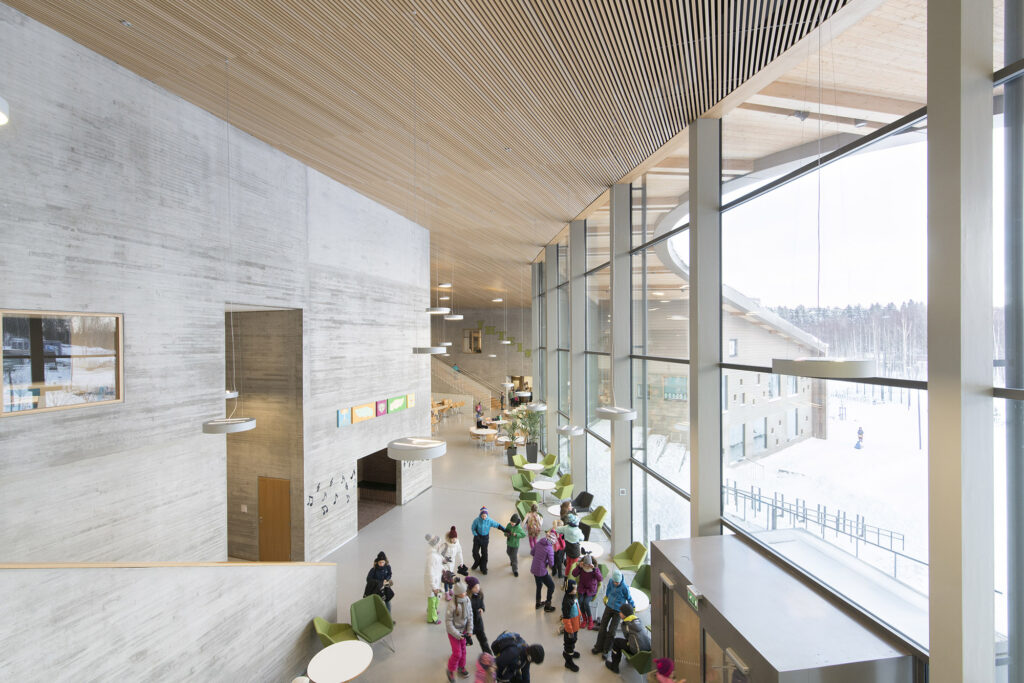
A school’s environment has a significant impact on learning quality. Selecting, designing, or building the right premises is one of the most critical early decisions.
Founders must consider:
- location accessibility and safety
- plot size or building size
- zoning and legal restrictions
- outdoor areas and sports facilities
- flexible learning spaces
- specialist rooms (labs, art, libraries, dining spaces)
These choices influence the school’s identity, capacity, and long-term viability.
3. Budget, Funding, and Financial Sustainability
Opening a school requires substantial upfront resources. A sound financial plan protects the project’s stability.
Key elements include:
- capital investment (land, construction, renovation, equipment)
- operational budget (staffing, utilities, technology, services)
- cash flow modelling
- funding strategies (investors, bank loans, partnerships)
- tuition strategy and enrolment projections
A realistic financial framework allows the school to grow steadily and confidently.
4. Legal Requirements, Licensing, and Accreditation
Schools must meet all national, regional, and municipal regulations. This often includes:
- institutional registration
- facility and safety inspections
- curriculum approvals
- teacher qualification standards
- insurance and liability documentation
Founders should also consider future international accreditation (such as NEASC, WASC, or CIS), which strengthens credibility and long-term value.
5. Staffing and Leadership Recruitment
Teachers are the core of a school’s success. Both SISU Schools and Fennomena Unique models rely on expert educators who understand student-centred, inquiry-driven learning.
Critical staffing steps include:
- hiring an experienced school leader
- recruiting qualified teachers aligned with the pedagogy
- offering competitive packages
- planning ongoing professional development
- cultivating a positive, collaborative culture
Because high-quality teachers are in demand globally, recruitment must begin early.
6. Technology, Resources, and Learning Materials
Modern learning environments require thoughtful technology integration. Founders must plan for:
- devices and digital tools
- network infrastructure
- learning platforms
- cybersecurity and digital safety policies
- curriculum-appropriate resources
Technology should enhance learning — not complicate it.
7. Community Engagement and Parent Partnerships
A school thrives when it is understood, trusted, and supported by its community. Effective engagement includes:
- clear communication of the school’s philosophy
- open houses and information sessions
- ongoing dialogue with parents
- understanding cultural expectations
- involving families in the school’s early development
A strong relationship with parents ensures smoother enrolment and long-term sustainability.
8. Branding, Marketing, and Admissions Strategy
Even an excellent school must articulate its identity clearly. Marketing should communicate:
- what makes the school unique
- the benefits of the chosen educational model
- the values and goals driving the project
- the admissions process and enrolment roadmap
A strong brand builds trust and sets the school apart in the local market.
9. Long-Term Planning and Growth
Opening day is only the beginning. A sustainable school requires long-term strategy:
- phased expansion of grade levels
- financial and enrolment targets
- facilities upgrades
- curriculum development
- quality assurance
- staff succession planning
Schools that remain strong view development as a continuous process.
Conclusion: Building a School Is Building a Future
Starting a school is more than a construction project — it is an investment in a community’s long-term wellbeing. With the right partners and a proven model, whether through a SISU School or a fully customised Fennomena Unique design, founders can create learning environments that genuinely change lives.
It requires vision, patience, expertise, and strategic planning — but the impact is profound: a school that nurtures academic excellence, holistic wellbeing, and opportunities for generations to come.